Cranial Osteopathy

What is Cranial Osteopathy?

Cranial Osteopathy is a refined and subtle type of osteopathic treatment that uses very gentle contact to encourage the release of stresses throughout the body, including the head.

It is extremely effective in treating a wide range of conditions in people of all ages, from birth to old age.

cranial osteopathy chippenham

Why is Cranial Osteopathy different?

In their training, osteopaths are taught a variety of treatment methods and techniques, ranging from the well known 'high velocity thrust' with its dramatic clicks, to the very gently applied methods used by so called 'cranial osteopaths'.

Osteopaths vary their treatment methods depending on their own preference and individual patients' problems.

'Cranial Osteopath' is the name by which osteopaths who work at the more gentle, subtle end of the spectrum of different treatment approaches have become known.

cranial osteopathy chippenham

Accumulation of stress and strain in the body

Most of us have been exposed to physical trauma at some stage in our life. The body may have been able to absorb the effects of an accident at the time, but a lasting strain often remains. Illnesses and emotional trauma can also leave a lasting physical effect.

Gradually the body may find it more and more difficult to cope with accumulated stresses, and symptoms may start to show.

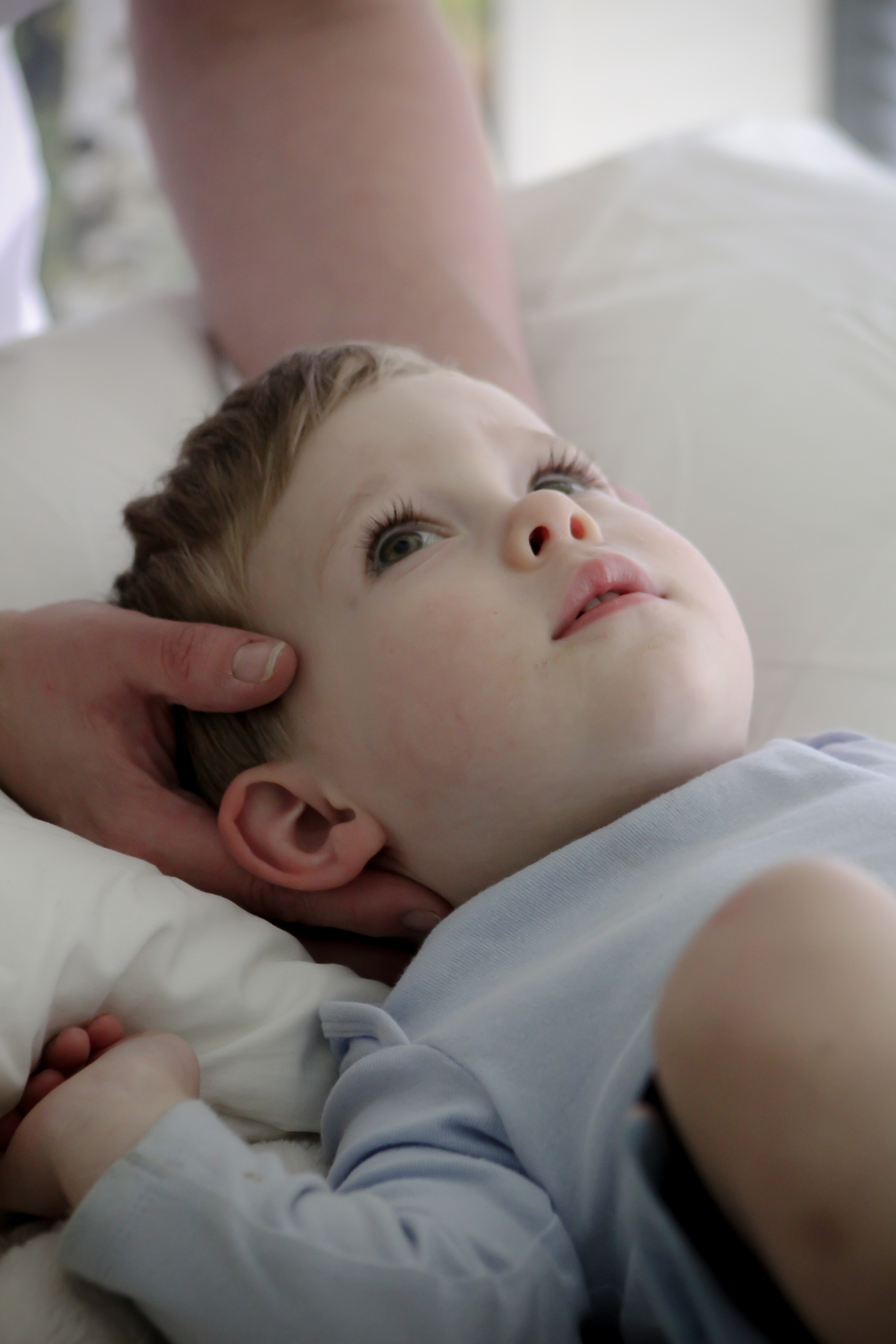
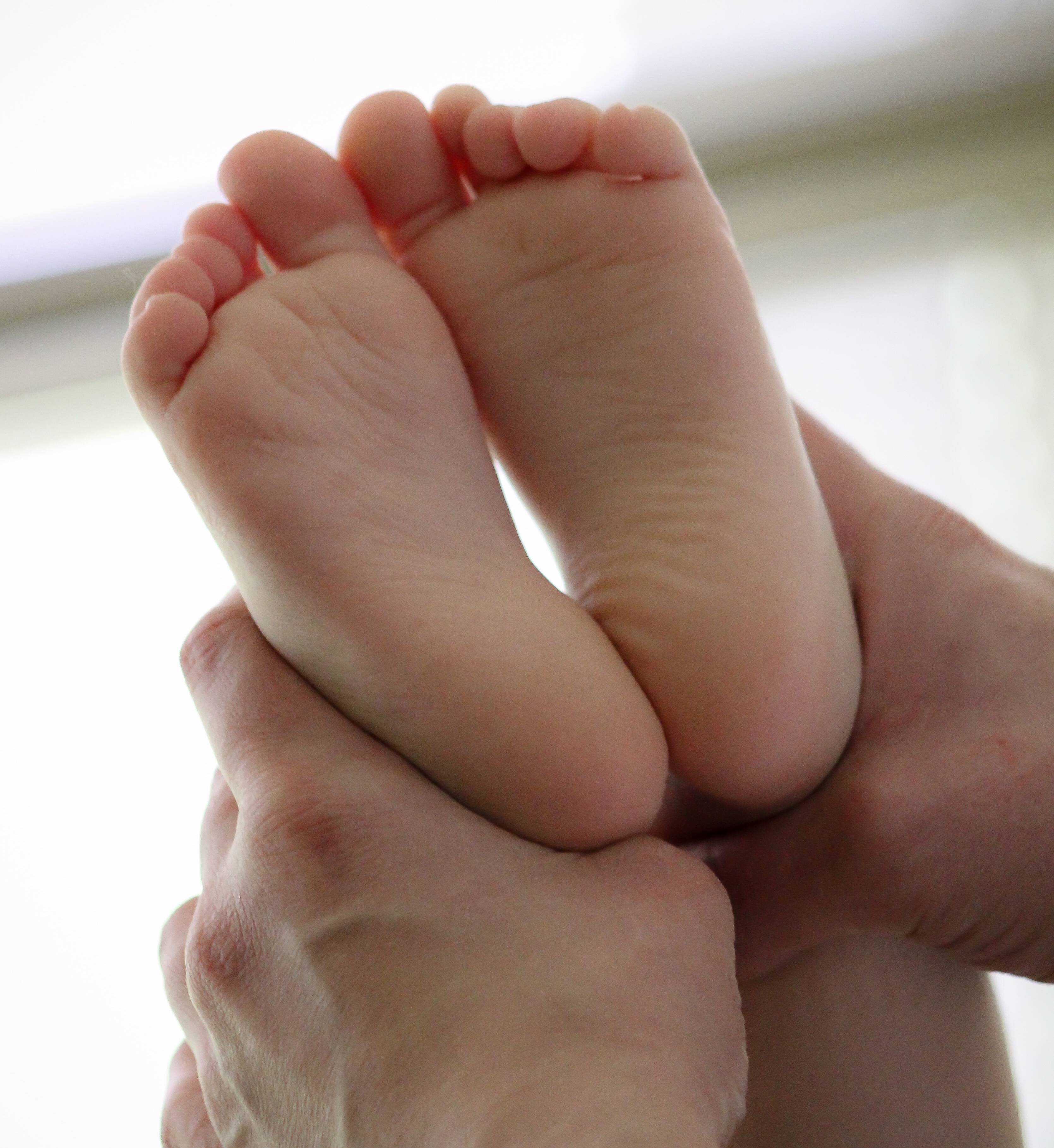
Osteopathic treatment using the cranial approach is very gentle and safe in the treatment of babies and children. Specific gentle contact is applied where necessary to enable the inherent healing ability of the body to effect the release of stresses.

Young children are not required to lie down. They can be treated sitting on a parent's lap and can play with toys whilst the treatment is carried out.

Could there be any adverse reactions?

Reactions to treatment are variable, often the baby or child is very relaxed afterwards and sleeps well. Others have a burst of energy after treatment, usually followed by a good nights sleep.

Occasionally children are unsettled after treatment. This is a temporary situation, and is usually caused when the release of stresses has been incomplete. It is not always possible for a complete release to occur in one session, especially if stresses have been severe.

How many treatments will be needed?

On average, 2 to 6 cranial osteopathy treatments are sufficient. This varies according to the severity of the problem and the age of the child.

Why do children need treatment?

It is a common belief that babies and children should have no structural stresses or strains in their bodies, because they are 'so young'. The reality is very different.

Birth is one of the most stressful events of our lives. The baby is subjected to enormous forces during its journey through the birth canal. The baby has to turn and twist as it squeezes through the bony pelvis, on its short but highly stimulating and potentially stressful journey.

The baby's head has the remarkable ability to adapt to these stresses in a normal delivery. In order to reduce the size of the head, the soft bones overlap and absorb pressure as the baby descends. Many babies are born with odd shaped heads as a result. In the first few days, the head can usually be seen to gradually lose the extreme moulded shape, as the baby suckles, cries and yawns. However, this unmoulding process is often incomplete, especially if the birth has been difficult. As a result, the baby may have to live with some very uncomfortable stresses within its head and body.

cranial osteopathy baby photo

What does treatment involve?

An osteopath takes a detailed medical history from the patient followed by a careful examination. Sometimes the examination will involve the patient removing some clothing in order that the osteopath may more closely observe movements of joints and muscles. He/she will make a diagnosis of what is causing the symptoms, and try to put together the 'story' of why they have developed.

Using very subtle and gentle techniques, the accumulated stresses and strains in the body are gradually released. The aim is to relieve the current symptoms and also improve the underlying health of the tissues as far as possible in order that they do not recur.